
Amazon Price: Around $14 (bulk packaging)
Key Features:
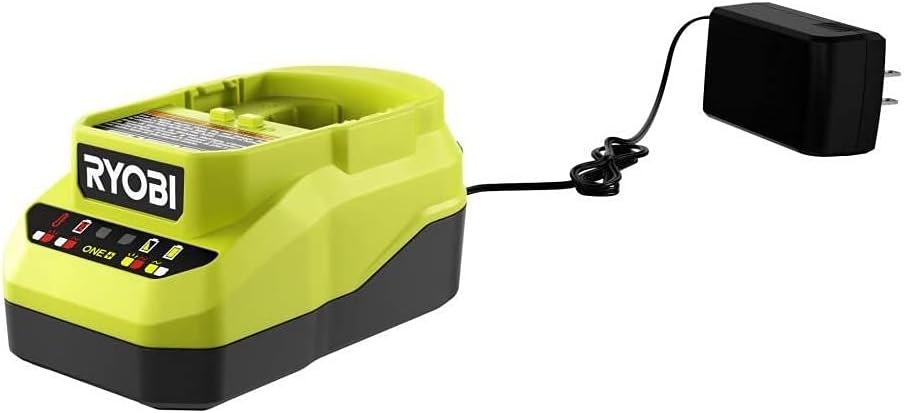
- 2-amp charging for all ONE+ lithium-ion batteries
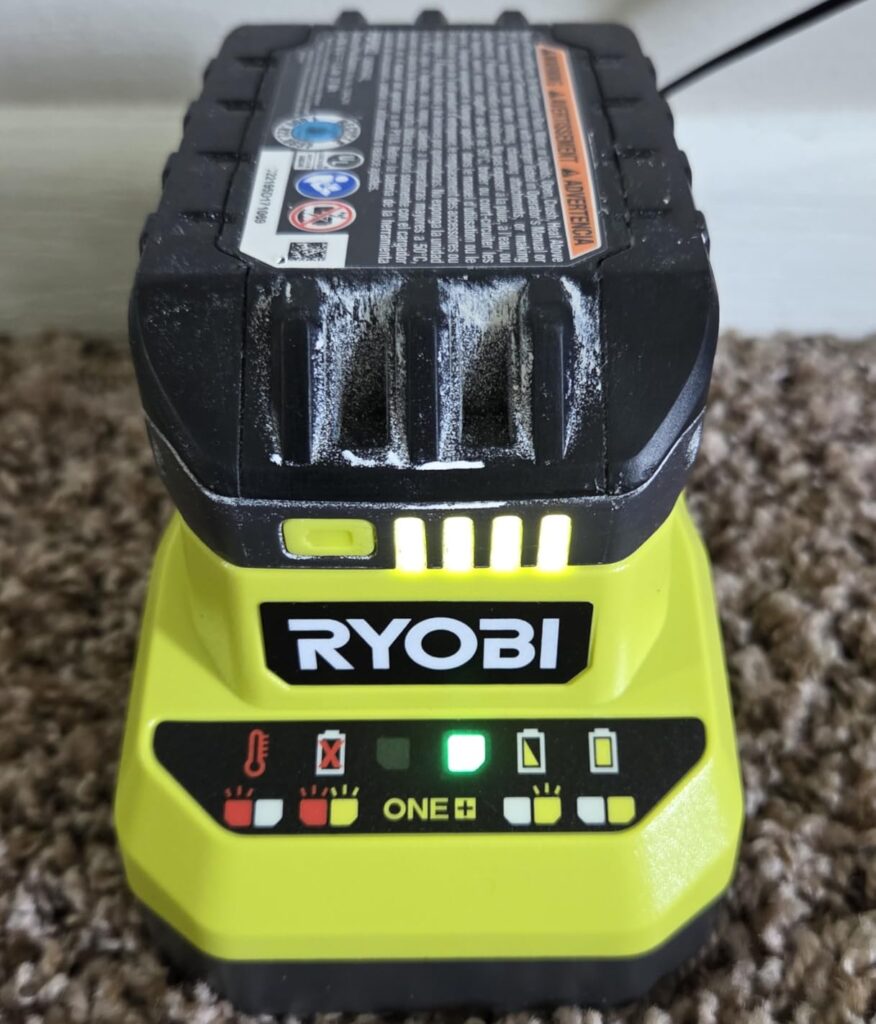
- Dual LED indicators show charging status and completion
- Temperature sensing protects battery health
- Energy-save mode for safe overnight charging
- Wall-mountable design keeps workspace organized
- Compatible with 1.5Ah to 12Ah battery capacities
- 60W power output with external AC adapter
Who This Is For:
- Homeowners needing a reliable backup charger
- Budget-conscious DIYers wanting to save $5
- Workshop users who wall-mount their chargers
- Anyone with Ryobi ONE+ tools needing basic charging
Introduction
Something weird is happening on Amazon right now.
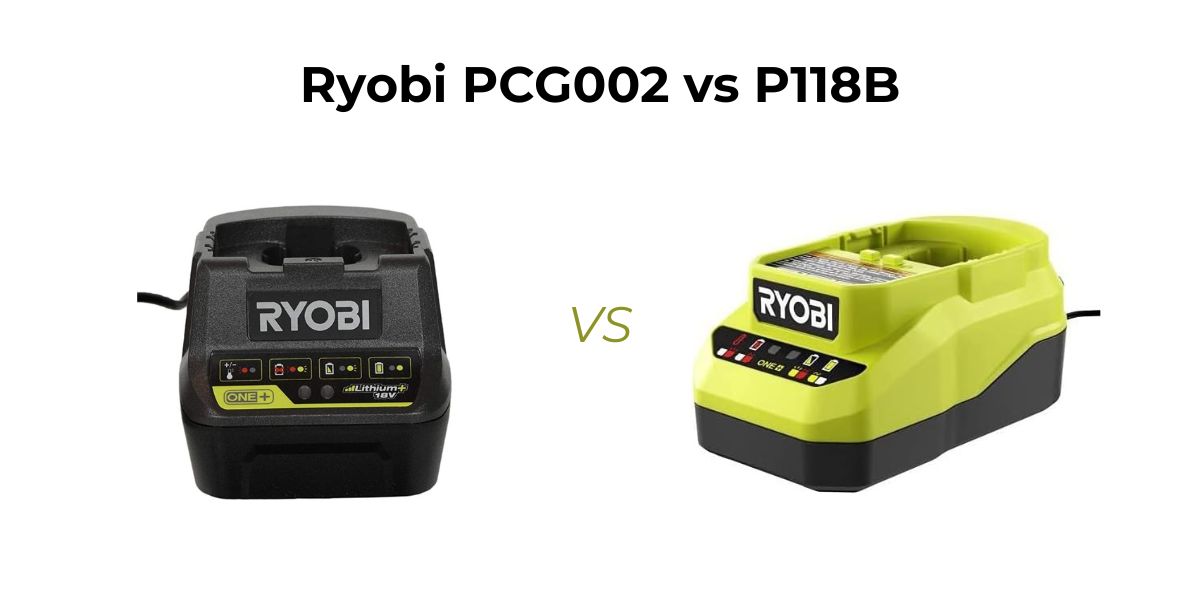
The Ryobi PCG002 costs $14. The P118B costs $19.
If you’re like most people, you probably assumed the cheaper one must be the older model. That’s how things usually work, right?
Except it’s backwards.
The PCG002 is actually the newer charger. And that $5 price difference isn’t a mistake or a sale—it’s been that way for months. Let me explain in this Ryobi PCG002 vs P118B article what’s really going on, because once you understand it, the buying decision becomes obvious.
Table of Contents
At-a-glance: Ryobi PCG002 vs P118B
| Features | Ryobi PCG002 | Ryobi P118B |
|---|---|---|
| Current Price | $14 | $19 |
| Release Status | Newer (2020+) | Older (2018-2020) |
| Charging Speed | 2A (4Ah in ~2.5 hrs) | 2A (4Ah in ~2.5 hrs) |
| Power Output | 60W | 60W |
| LED Indicators | Dual (charging/full) | Dual (charging/full) |
| Temperature Sensing | Yes | Yes |
| Energy Save Mode | Yes | Yes |
| Wall Mount | Yes (improved design) | Yes (standard design) |
| Battery Compatibility | All ONE+ Li-ion | All ONE+ Li-ion |
| NiCd Support | No | No |
| Packaging | Bulk/plain box | Retail packaging |
| Power Supply | External AC adapter | External AC adapter |
| Warranty | 3 years | 3 years |
| Cord Durability | Standard (weak point) | Standard (weak point) |
| Where To Buy | Check On Amazon | Check On Amazon |
The Real Reason PCG002 Costs Less (It’s Not What You Think)
Ryobi introduced the PCG002 to replace the P118B. Same charging speed, same 2-amp output, same LED indicator system. Functionally identical.
So why is it cheaper?
Bulk packaging. The PCG002 typically ships in plain cardboard with minimal branding. No fancy retail box. No instruction manual printed in six languages. Just the charger, the power brick, and maybe a slip of paper.
The P118B still comes in full retail packaging because it’s been on store shelves for years. Home Depot, Lowe’s, local hardware stores—they all carry it. That packaging costs money. Marketing costs money. Shelf space costs money.
Meanwhile, Amazon sellers are clearing out PCG002 inventory as Ryobi pushes the PCG004 (their faster 4-amp charger) as the new standard. The PCG002 got caught in the middle—too new to have retail presence, too basic to compete with the fast charger.
Result? A pricing inversion that confuses everyone.
Related Articles:
What Actually Changed Between These Chargers?
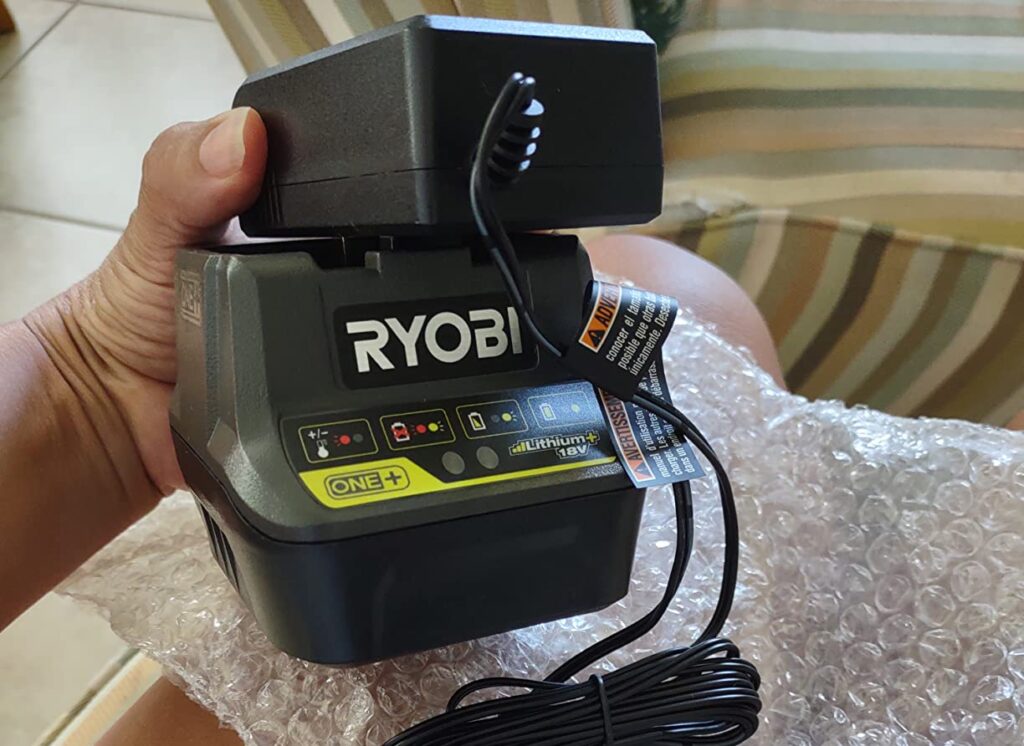
Here’s what Ryobi improved from P118B to PCG002:
The wall-mount bracket looks cleaner. That’s it. That’s the list.
The charging circuit? Identical. The LED indicators? Same. The temperature sensors? Same. The 2-amp output that charges your 4Ah battery in about 2.5 hours? Completely unchanged.
Ryobi literally took the P118B, gave it a minor cosmetic update, changed the model number, and called it the PCG002.
This isn’t unusual. Tool companies do “refreshes” all the time to reset inventory, update packaging, or justify staying relevant while they develop the next real upgrade.
The Durability Problem Nobody Wants to Talk About
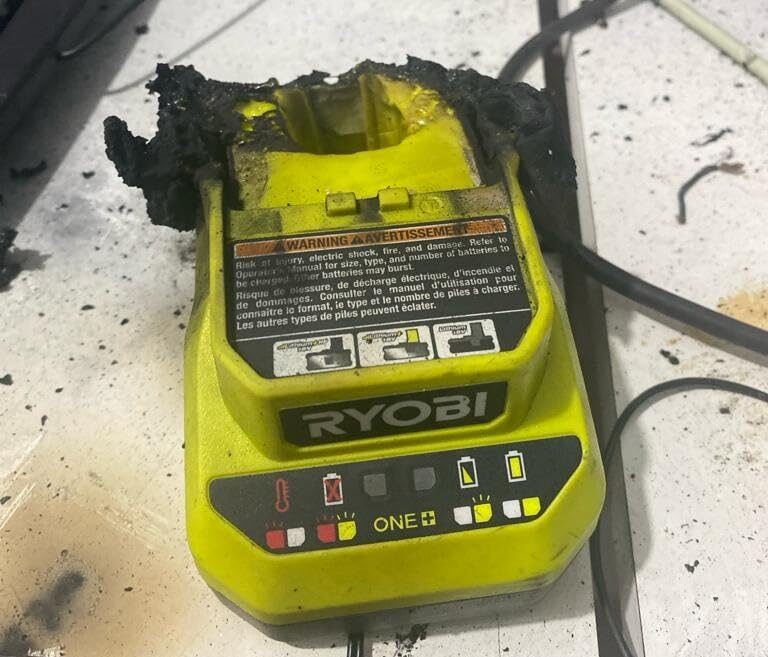
Both chargers have the same weakness: that AC adapter cord.
Scroll through Amazon reviews and contractor forums. You’ll find the same complaint repeated over and over. The external power brick cord fails within 1-2 years of regular use. One contractor mentioned going through three chargers in a single year.
The cord is too light-duty for jobsite conditions. It gets pinched, twisted, yanked, and eventually the wires inside break. The charger still looks fine, but it won’t power on.
This affects both the PCG002 and the P118B equally because they use the same power supply design. Paying $19 instead of $14 doesn’t buy you better cord durability.
If you’re a contractor throwing this charger in a truck bed daily, expect to replace it. Often.
If you’re a homeowner who leaves it mounted on the garage wall and occasionally charges a drill battery, you’ll probably get 5-10 years out of it.
When Your Battery Won’t Charge? (And What to Do About It)
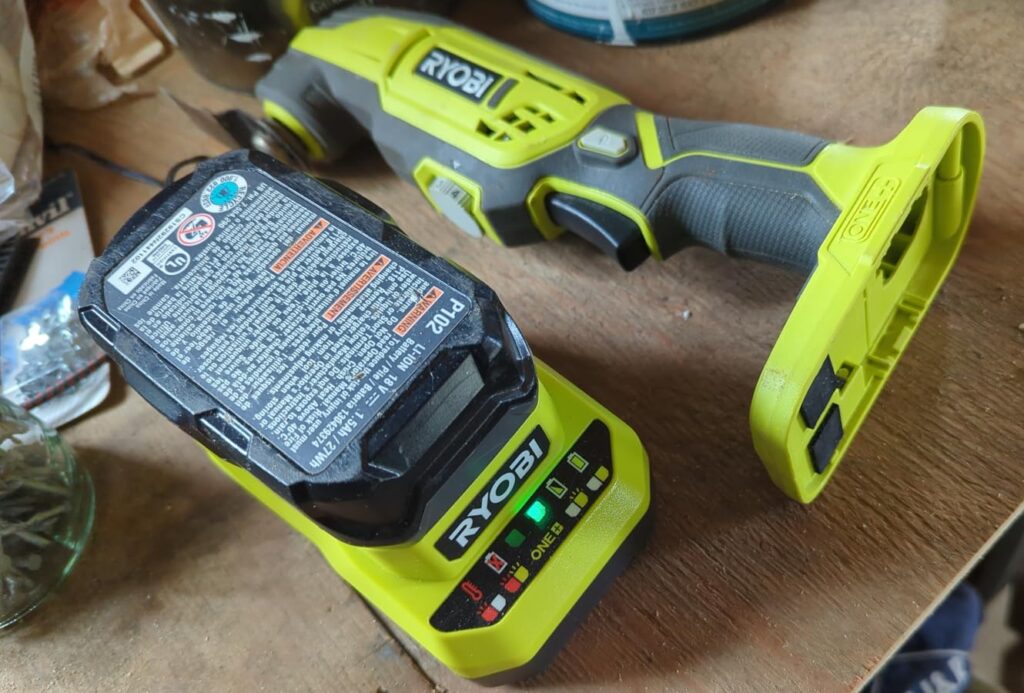
The most common “charger broken” complaint isn’t actually the charger.
Temperature lockout. Lithium-ion batteries won’t charge if they’re too hot (above 122°F) or too cold (below 50°F). Your battery might be totally fine—just outside the safe temperature range.
If you just finished heavy drilling and the battery is hot to the touch, let it cool for 20 minutes.
If you left your tools in the truck overnight in winter, bring the battery inside to warm up.
Poor contact. The charging contacts on both the battery and charger can get dusty or develop a thin oxide layer. Wipe them with a dry cloth. Don’t use sandpaper or abrasives—you’ll make it worse.
Battery protection mode. Sometimes a battery will shut itself down if it detects a problem. Try charging a different battery first. If that one works fine, your original battery might need replacement.
Neither charger has any special troubleshooting features. No reset button, no diagnostic mode. They’re simple two-amp chargers that either work or don’t.
The Generic Battery Wild Card
Here’s something interesting from the user reviews: some people report that older Ryobi chargers (like the original P118) are more forgiving with off-brand batteries.
One buyer specifically mentioned buying a brand-new P118B from Home Depot, but it refused to charge two generic batteries. An older charger worked fine with the same batteries.
This isn’t officially documented anywhere. Ryobi won’t comment on aftermarket battery compatibility. But if you’ve invested in generic batteries to save money, there’s a small chance you might have better luck with older charger designs.
The PCG002 and P118B are both newer designs with updated charging chips. They’re stricter about what they’ll charge.
No guarantees either way. Just something to be aware of.
Ryobi PCG002 vs P118B : Which Charger Should You Actually Buy?
Amazon Price: Around $14 (bulk packaging)
Key Features:
- 2-amp charging for all ONE+ lithium-ion batteries
- Dual LED indicators show charging status and completion
- Temperature sensing protects battery health
- Energy-save mode for safe overnight charging
- Wall-mountable design keeps workspace organized
- Compatible with 1.5Ah to 12Ah battery capacities
- 60W power output with external AC adapter
Who This Is For:
- Homeowners needing a reliable backup charger
- Budget-conscious DIYers wanting to save $5
- Workshop users who wall-mount their chargers
- Anyone with Ryobi ONE+ tools needing basic charging
Amazon Price: Around $19 (retail packaging)
Key Features:
- Industry-standard 2-amp charging rate
- Proven reliability in retail stores nationwide
- Dual LED system for easy status monitoring
- Temperature protection prevents battery damage
- Energy-efficient standby mode
- Works with entire ONE+ lithium-ion lineup
- Retail packaging suitable for gift giving
Who This Is For:
- Gift buyers who want professional packaging
- Shoppers who prefer established retail models
- Users replacing an existing P118B charger
- Anyone who values branded presentation
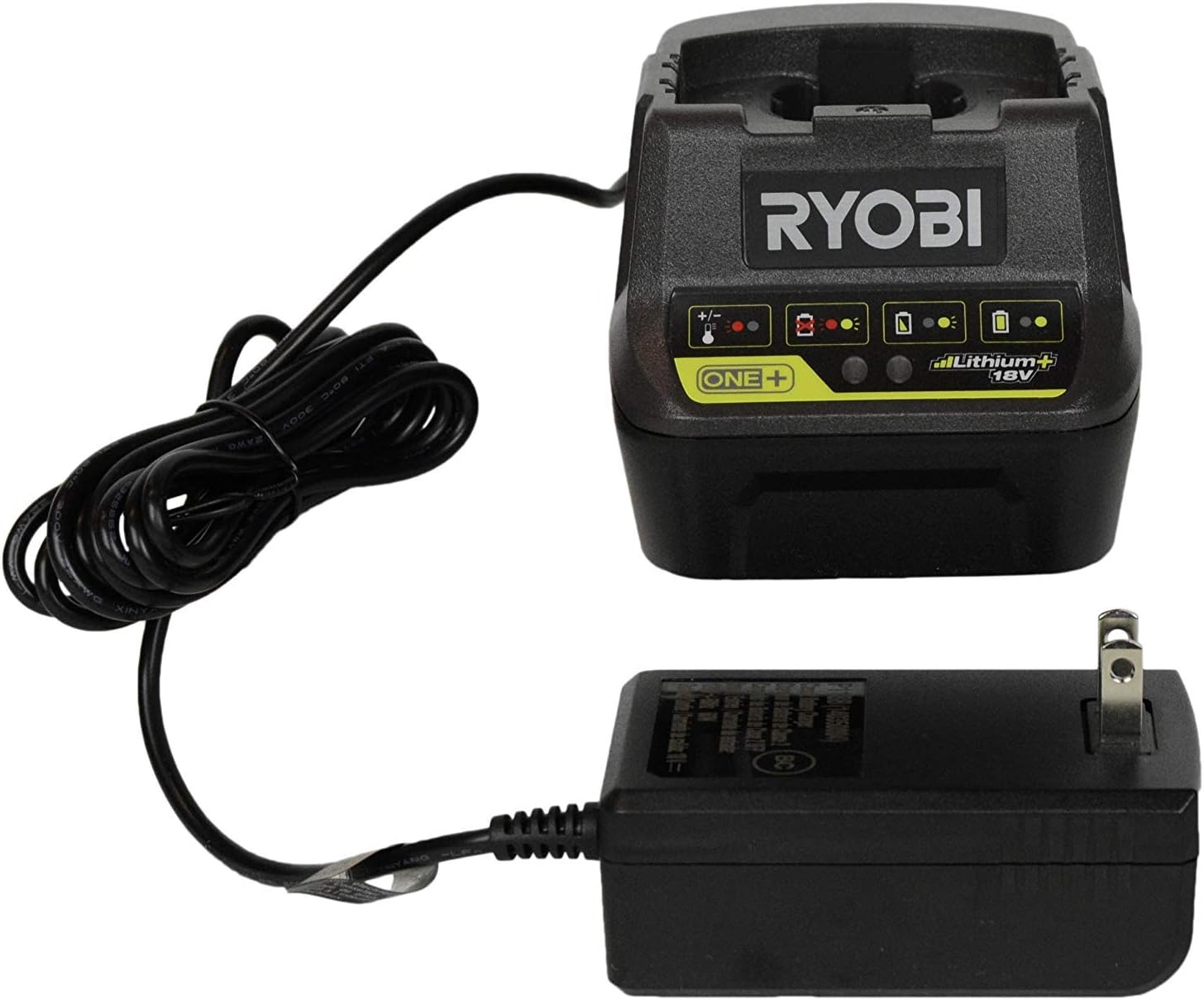
Buy the PCG002 for $14 unless you need retail packaging for a gift.
That’s the whole decision tree.
They charge at the same speed. They have the same durability issues. They work with the same batteries. The PCG002 costs $5 less.
The only reason to choose the P118B is if you’re buying it as a present and the plain bulk packaging looks too cheap. Some people feel weird giving someone a bare-bones charger in generic cardboard. Fair enough.
Otherwise? Save the $5 and buy the PCG002.
What If You Need Better?
Neither of these chargers is fast. A 4Ah battery takes 2.5 hours. An 8Ah battery? You’re waiting all afternoon.
If you actually want faster charging, don’t waste time comparing these two. Skip both and get the Ryobi PCG004 rapid charger instead. It’s 4 amps instead of 2 amps, which cuts charging time in half.
Yes, it costs more—usually around $35-40. But if you’re running multiple batteries on a jobsite or doing marathon DIY projects, the time saved pays for itself quickly.
The PCG002 and P118B are bare-minimum chargers. They work. They’re cheap. They’re slow. That’s the trade-off.
The Bigger Picture on Ryobi Chargers
Ryobi’s entire standard charger lineup is built on the same 2-amp platform:
- P118 (original model, discontinued)
- P118B (retail version, still widely available)
- PCG002 (bulk version, replacing P118B)
- P117 (compact version with slightly different form factor)
They all charge at the same rate. The differences are purely cosmetic or packaging-related.
If you see any of these for under $20, grab it. Don’t overthink which specific model number you’re getting. They’re functionally interchangeable.
The moment Ryobi changes the charging speed or adds features like USB ports or battery diagnostics, they jump to a new model series (like the PCG004 or PCG006). That’s when you’re actually getting something different.
Making Your Charger Last Longer
Since both models share the same durability weakness, here’s how to extend their life:
Don’t yank the cord. Unplug from the wall, not by pulling the cord. Sounds obvious, but it’s the #1 killer of these chargers.
Mount it properly. Use the wall-mount slots. Get the charger off your workbench where it can get knocked around or have stuff piled on it.
Keep it dry. These aren’t weatherproof. Garage humidity is fine. Direct rain or high-moisture environments will eventually corrode the internal components.
Don’t block the vents. There are small cooling vents on both models. Don’t cover them with sawdust, paint cans, or anything else.
Clean the contacts yearly. Use a dry rag to wipe the charging pins. Takes 30 seconds and prevents most contact issues.
Will following these tips guarantee your charger lasts forever? No. But you’ll get more than one year out of it, which is the common failure point for people who treat their tools roughly.
What About Warranty?
Ryobi offers a 3-year warranty on both chargers.
In theory, if your charger fails within three years, you can get it replaced. In practice, warranty claims can be frustrating. You’ll need proof of purchase, you might need to ship it somewhere, and the process takes weeks.
Most contractors I know just buy a new charger rather than deal with warranty hassles over a $14-19 item. Your time is worth something too.
Homeowners with more patience might find the warranty worthwhile. But don’t buy based on warranty coverage—both models have the same protection period.
The Bottom Line: Ryobi PCG002 vs P118B
Amazon Price: Around $14 (bulk packaging)
Key Features:
- 2-amp charging for all ONE+ lithium-ion batteries
- Dual LED indicators show charging status and completion
- Temperature sensing protects battery health
- Energy-save mode for safe overnight charging
- Wall-mountable design keeps workspace organized
- Compatible with 1.5Ah to 12Ah battery capacities
- 60W power output with external AC adapter
Who This Is For:
- Homeowners needing a reliable backup charger
- Budget-conscious DIYers wanting to save $5
- Workshop users who wall-mount their chargers
- Anyone with Ryobi ONE+ tools needing basic charging
The Ryobi PCG002 costs less than the P118B because of packaging and distribution, not because it’s inferior.
They’re the same charger with different stickers.
Buy the cheaper one. Mount it on your garage wall. Charge your batteries. When it eventually fails (because that AC cord will probably give out), buy another one.
Don’t overthink a $14 charger.
The only time this becomes a real decision is if you’re considering upgrading to the faster PCG004. That’s a meaningful difference. But comparing the PCG002 to the P118B? You’re comparing Diet Coke to Coke Zero. Pick whichever one costs less that day.
FAQs
Why is the PCG002 cheaper than the P118B if it’s newer?
The PCG002 costs less because it comes in bulk packaging instead of retail boxes.
Are these chargers compatible with all Ryobi 18V ONE+ batteries?
Yes, both the PCG002 and P118B work with all Ryobi 18V ONE+ lithium-ion batteries regardless of capacity (1.5Ah, 2Ah, 4Ah, 6Ah, 9Ah, 12Ah). They charge at the same 2-amp rate, so larger batteries just take longer.
How long does it actually take to charge different battery sizes?
With the 2-amp output on both chargers, expect these approximate charging times: 1.5Ah battery in 45-60 minutes, 2Ah battery in 60-90 minutes, 4Ah battery in 2-3 hours, 6Ah battery in 3-4 hours, and 9Ah battery in 4.5-6 hours.
What does it mean when the charger light keeps flashing red?
A flashing red light typically means the battery is too hot, too cold, or the charger can’t establish proper contact.
Can I leave my battery on the charger after it’s fully charged?
Yes, both chargers have energy-save mode that switches to a maintenance trickle charge once the battery reaches full capacity.
Will these chargers work with off-brand or generic Ryobi-compatible batteries?
Results vary with aftermarket batteries. Both the PCG002 and P118B use updated charging chips that are stricter about battery communication protocols.